Missouri’s Dubious Tax Honor

Economy |
By Patrick Tuohey | Read Time 1 minute minutes

Taxes. They’re high. They’re regressive. They’re inefficient. And in Missouri there are too many of them.

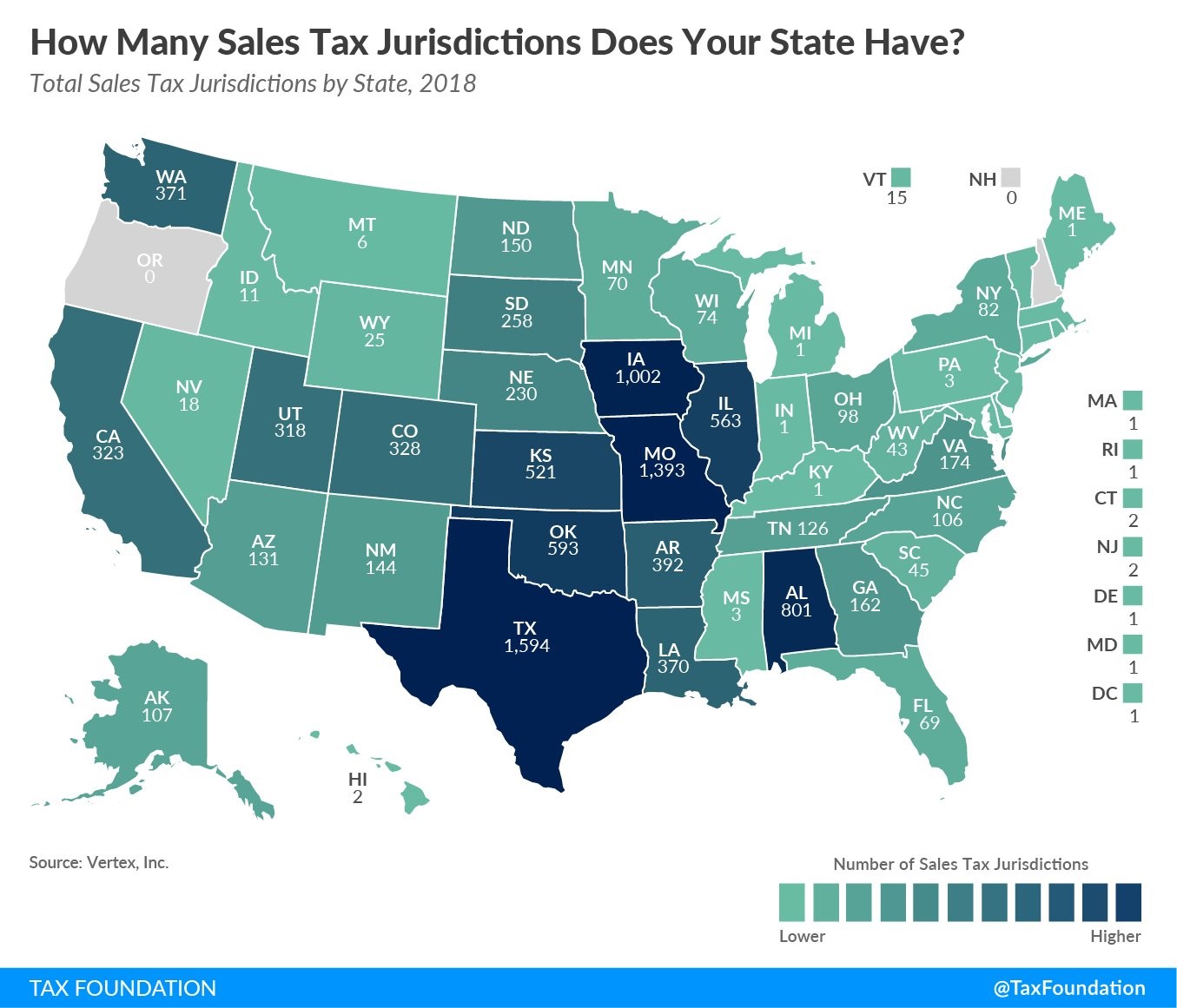
None of this is to say that taxes are unnecessary or even bad. Taxes are necessary to fund the basic services we all agree are the responsibility of government. But Missouri can do better. A report from the Tax Foundation released last week underscores the point. According to the Tax Foundation’s count, Missouri has 1,393 sales tax jurisdictions, second only to Texas.

This staggering number is due to special taxing districts such as community improvement districts, transportation development districts, and the like. These districts are easily established and are often not open and transparent. Many were established without a public vote. Yet each has the power to tax us on each purchase.

One effort to cap the sales tax rate in Missouri at 14 percent is making its way through the legislature. But if the proliferation of special taxing districts itself is not addressed, the general assembly risks ceding its influence over tax policy to an ever-growing number of tiny fiefdoms.

About the Author

Patrick Tuohey is a senior fellow at the Show-Me Institute and co-founder and policy director of the Better Cities Project. Both organizations aim to deliver the best in public policy research from around the country to local leaders, communities and voters. He works to foster understanding of the consequences — often unintended — of policies regarding economic development, taxation, education, policing, and transportation. In 2021, Patrick served as a fellow of the Robert J. Dole Institute of Politics at the University of Kansas. He is currently a visiting fellow at the Yorktown Foundation for Public Policy in Virginia and also a regular opinion columnist for The Kansas City Star. Previously, Patrick served as the director of municipal policy at the Show-Me Institute. Patrick’s essays have been published widely in print and online including in newspapers around the country, The Hill, and Reason Magazine. His essays on economic development, education, and policing have been published in the three most recent editions of the Greater Kansas City Urban League’s “State of Black Kansas City.” Patrick’s work on the intersection of those topics spurred parents and activists to oppose economic development incentive projects where they are not needed and was a contributing factor in the KCPT documentary, “Our Divided City” about crime, urban blight, and public policy in Kansas City. Patrick received a bachelor’s degree from Boston College in 1993.

Similar Stories

Support Us

Headline to go here about the good with supporting us.

Donate
Man on Horse Charging