
Last month, big business scored yet another victory at the expense of taxpayers.
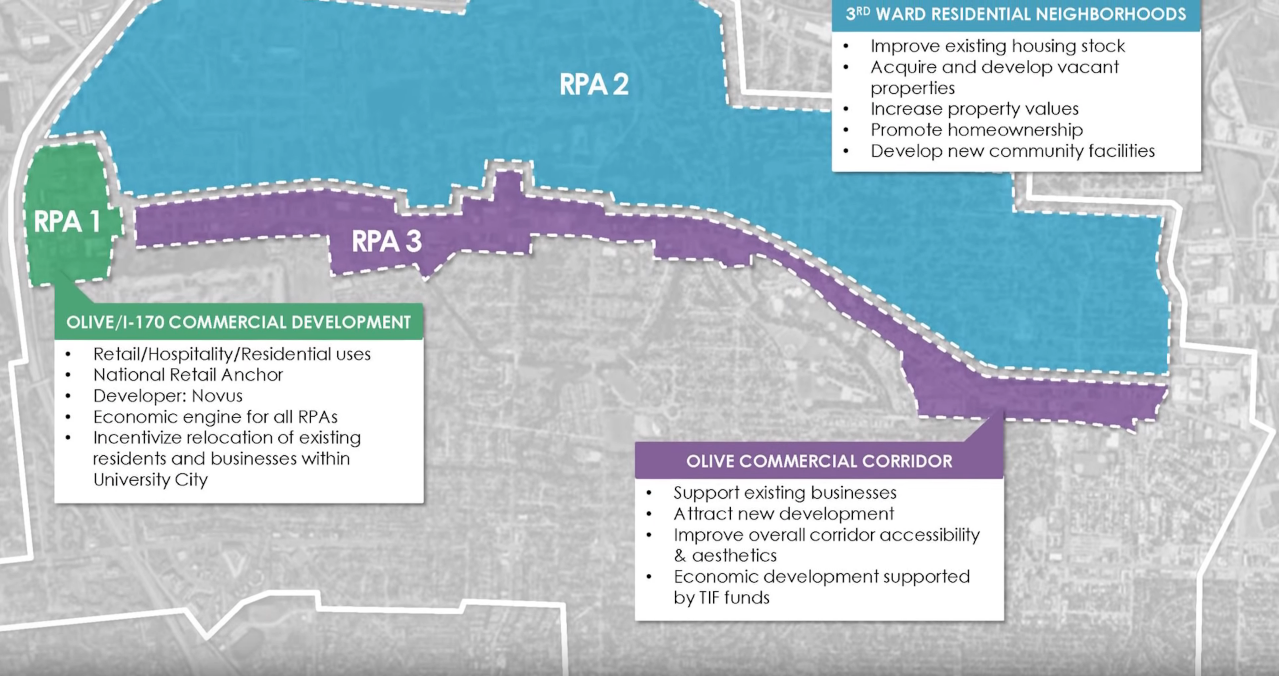
The University City Council unanimously approved a measure to use tax-increment financing (TIF) to fund a private development at the intersection of I-170 and Olive Boulevard. The developer now gets $70.5 million for a $190 million project.
This vote comes after more than a year of controversy and scrutiny. One concern is that the project would force out dozens of low-income families, several small businesses, and even a Korean church. And earlier this year, University City was criticized for its lack of transparency and closed-door negotiations. The city also underestimated the projected tax revenues of the project by $27 million.
And what do the residents of U City get in return? The city promised the project would bring 150 to 250 “livable wage” jobs to residents, but the agreement does not guarantee any particular number of jobs nor does it require that the developer mandate that its tenants hire locally. The developer must merely request that tenants hire locally. And there is nothing that guarantees that the development won’t be abandoned after the 23-year life of the TIF, once the tax breaks are gone.
Nevertheless, TIF advocates almost always seem to prevail. As Show-Me Institute researchers have pointed out countless times before, development subsidies primarily just boost revenue figures for favored businesses and pad sales tax revenue for cities. There is no conclusive evidence that TIFs do anything to increase jobs, and they deprive local taxing districts of millions of dollars in foregone property tax revenue.
The 3rd Ward of University City may well become the next case study on why TIFs are ineffective.




