
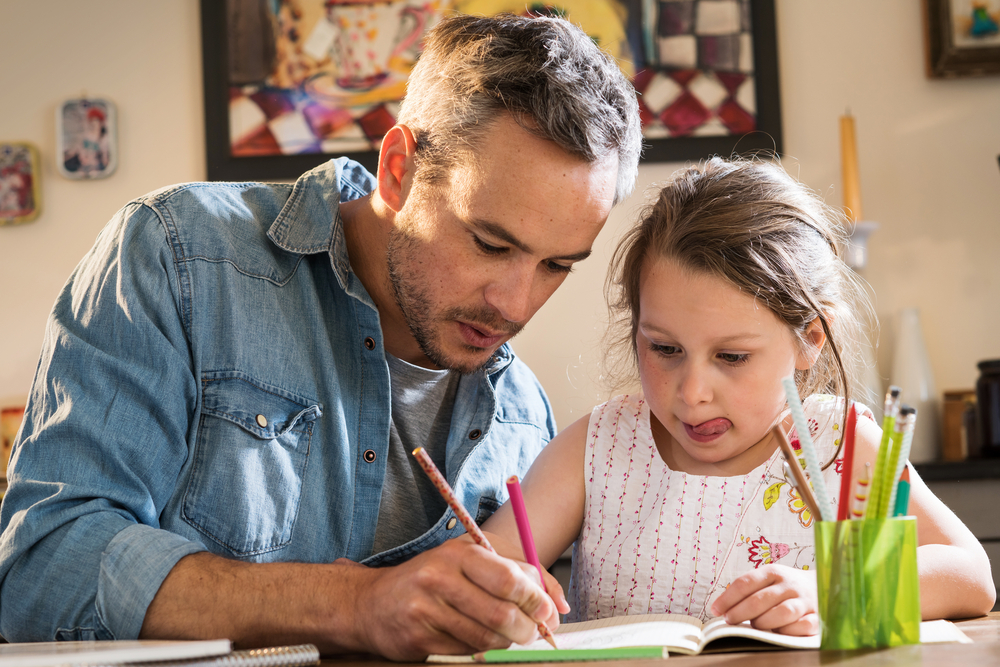
Oh, for the halcyon days when parents had to sue to get their children access to virtual education in Missouri. Due to the coronavirus, more than 80 percent of K–12 students in the United States became homeschooled in less than a week, including students in more than 400 districts in Missouri.
Schools and districts are grappling with spring standardized testing. The U.S. Department of Education has issued guidance allowing states to request a waiver for submitting test results this year. The Missouri Department of Elementary and Secondary Education (DESE) has already changed the Annual Performance Report metric to count attendance as only “reportable,” not “scorable.” There’s plenty more to figure out in this ongoing process.
One thing that gives me confidence is classic American ingenuity. No one saw this coming a year ago, but the ideas to make this new normal livable are rolling in. My colleague, Lindsey Burke of the Heritage Foundation, has compiled an excellent list of resources for parents with school-aged children at home for weeks. The College Board is figuring out how AP students can take their spring exams at home. Harvard Business Review has compiled tips for working parents dealing with school closures. Experts on education policy are offering their services pro bono to districts trying to craft a strategy. This is just a small sample of the efforts in the education sphere right now to find the best way to serve children in the midst of a pandemic.
If there’s a silver lining, it’s that we can continue to generate and use these great ideas going forward. There is now absolutely no reason for Missouri school boards to resist alternate learning environments. We can think hard about building standards and accountability systems that are flexible and focus on how much each student is learning, rather than giving points for average daily attendance. We can trust parents to be truly involved in their children’s education. We didn’t expect this pandemic and we don’t know what’s coming next. So let’s use this as an opportunity to build a smarter education system for Missouri students.




