
It isn’t surprising that mayors across the country are concerned about the impact a largely shuttered economy will have on their local tax revenue and ability to deliver basic services. According to The Philadelphia Inquirer, the National League of Cities partnered with the U.S. Conference of Mayors to survey local officials across the country. The article stated:
Nearly 9 in 10 cities surveyed — from smaller hubs with populations of fewer than 50,000 to the largest metropolitan areas in the country — signaled they expect a revenue shortfall. Among them, more than 1,100 cities are preparing to scale back their public services, the survey found. Almost 600 cities predicted they may have to lay off some government workers amid the crunch. And local leaders in 1,000 cities said the reductions probably would affect their local police departments and other public safety agencies.
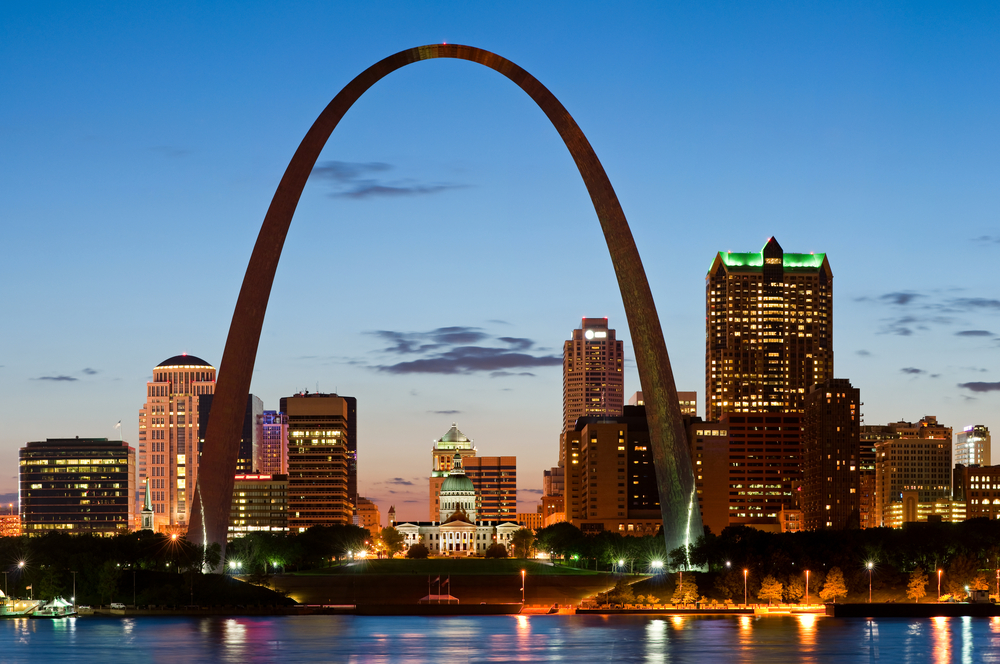
Amid this crisis, cities such as Kansas City and St. Louis need to start picking and choosing their priorities. In the face of revenue shortfalls, are convention and visitors’ bureaus really as important as police departments? Are we really going to continue diverting funds away from schools and libraries in order to fund stadiums, entertainment districts, and luxury accommodations? Do existing municipal contracts include force majeure clauses to help cities reorient priorities in a time of unprecedented crisis?
The sponsors of the survey have called for generous federal support for cities, and the Inquirer story goes on to state:
Lawmakers authorized $150 billion in coronavirus aid for states and large cities as part of the broader $2 trillion package that Trump signed into law in March. But that assistance — half of which, Treasury Secretary Steven Mnuchin announced Monday, is now available — comes with restrictions. Even when combined with additional help offered by the U.S. government, many leaders outside the nation’s capital also see it as insufficient to keep their cities afloat financially.
While such support may be necessary, it should not allow cities to escape the consequences of their own bad behavior. Kansas City and St. Louis are high tax cities that also have high per capita public debt. They divert an ever-growing amount of money to private developers to build things that in some cases are clearly not needed.
If cities are to receive federal aid, one hopes that cities with good financial track records are prioritized. Perhaps aid should be tied to ratings of fiscal responsibility before the pandemic such as debt and deferred maintenance. Public funds should not be used to hide, or even reward, previous bad behavior.




