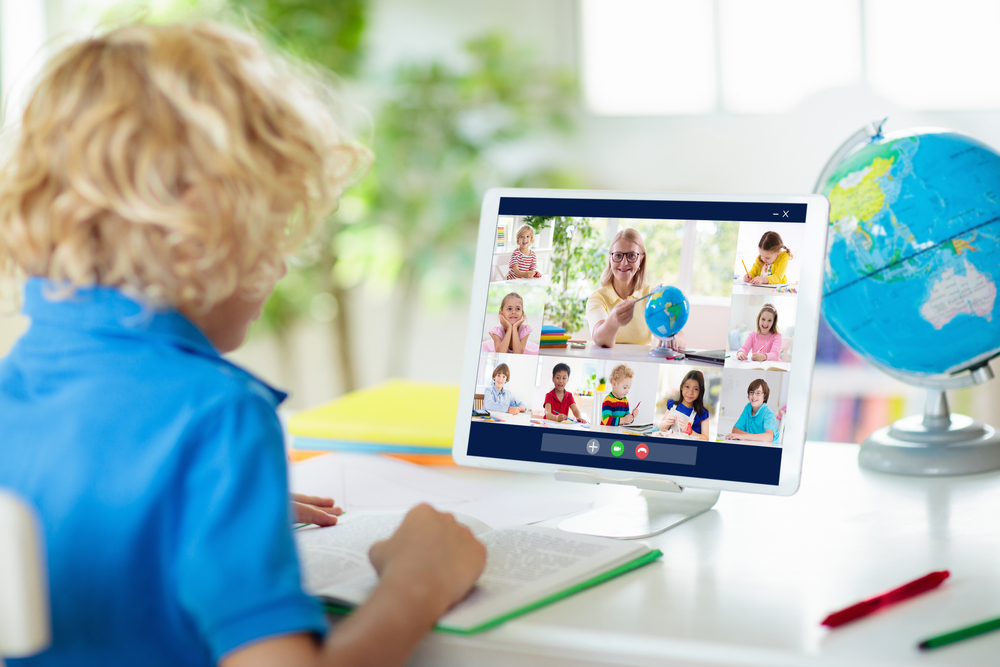
One fascinating result of the COVID-19 school shutdown is that parents have taken their children’s education into their own hands. They’re leaving public school districts that are only offering virtual education and enrolling in private schools. They’re sending their children to karate academies or trampoline centers to do virtual schooling there. And, in one of the more interesting twists, they’re starting their own schools.
Micro-schools have been around for a few years, but they served a very specific niche. Now, they’re emerging as another in-person option for those who can find and afford them. According to a recent article in the St. Louis Post-Dispatch, micro-schools are popping up in the St. Louis region. Unfortunately, the micro-schools highlighted are charging between $500–$1,000 per month per student. What about the parents who can’t afford that?
Public school districts could join the effort. They could make space and teachers available to serve pods of students. The state could also join the effort. It could allow parents to access a portion of their children’s state education funding to either pay for attendance at a micro-school or to pool with other parents to create one of their own. We are undoubtedly sending substantial sums of money to public school districts for students who have already left. Allowing the funding to follow the child would change that.
There is a significant risk that achievement gaps between wealthy and poor children will get wider this year. As cool as it is to see parents of means figure out how to get their children the education they need, it clearly creates unequal access. Being trapped in a failing school that can’t or won’t provide the services that students need comes with a higher level of risk this year. We are facing a national education crisis and we should be funding every option for every kid.