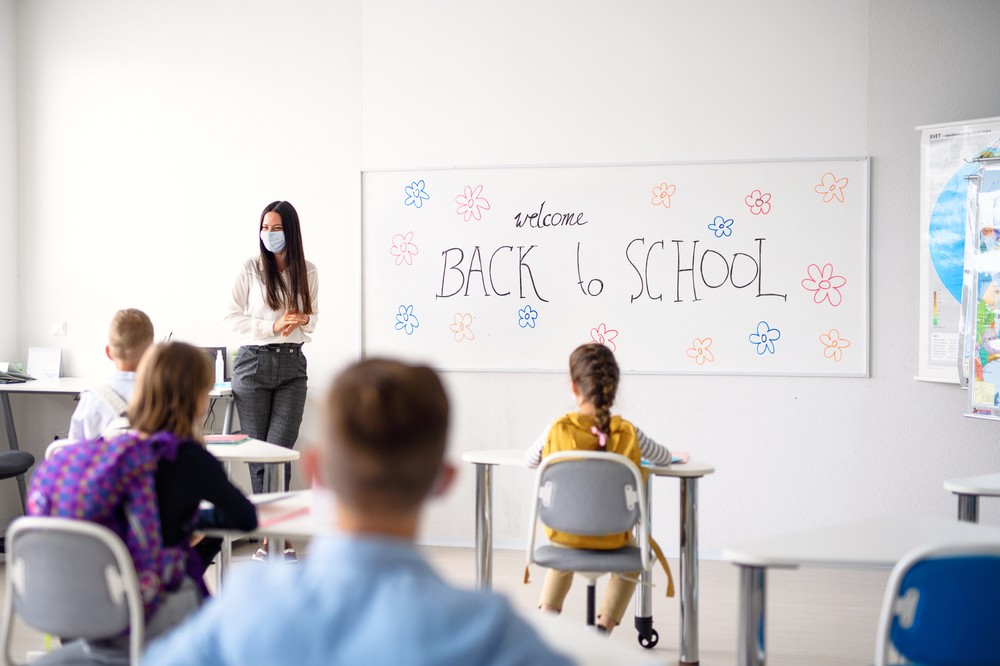
Mid-August is back to school time. Kids are getting new backpacks and school supplies. Teachers are decorating their rooms. A month ago, we were on a glide path back to some type of normal, and then the COVID-19 Delta variant hit. Instead of a fresh start in a critical year for so many children who lost ground educationally last year, it’s mayhem.
Once again, many, many parents are completely fed up with district leadership. In addition, teacher union leadership is whipsawing in what it does and doesn’t support for teacher safety. Most schools figured out how to safely provide in-person instruction by the end of the last school year. Now it seems like they’re scrambling for solutions. Last year districts were forced to create functional virtual education programming. This year they risk losing state funding if they bring it back.
Parents have been loudly expressing their frustration for at least a year and a half with having just one option for their children. Yet districts still think they can issue edicts (must mask/mask optional) that apply to each and every kid and expect that parents will just get in line? Those days, in my opinion, are over. Parents are suing. Parents are protesting. Parents are packing school board meetings.
One thing is clear: It is not only possible but also necessary to have a varied portfolio of schools from which parents can choose. It’s time to give parents access to public education funding to find a good solution for their families. That may be an education hub (or pod) at the YMCA. That may be a private school. That may be a neighboring school district with different policies. That may be homeschooling.
Florida is expanding its Hope Scholarship program to families who don’t want to send their children to schools that have mask mandates. At the end of August, Missouri will have a scholarship program for students with disabilities and low-income students. That program could be ramped up and publicly funded. Missouri’s Department of Elementary and Secondary Education (DESE) has received nearly $3.5 billion in federal stimulus funding. It’s time for real leadership.