In education, as with the economy, recovery from the pandemic is happening at different paces for different groups. In fact, the education recovery, regardless of how steep the upward slope is overall, is already shaped like a “K.”
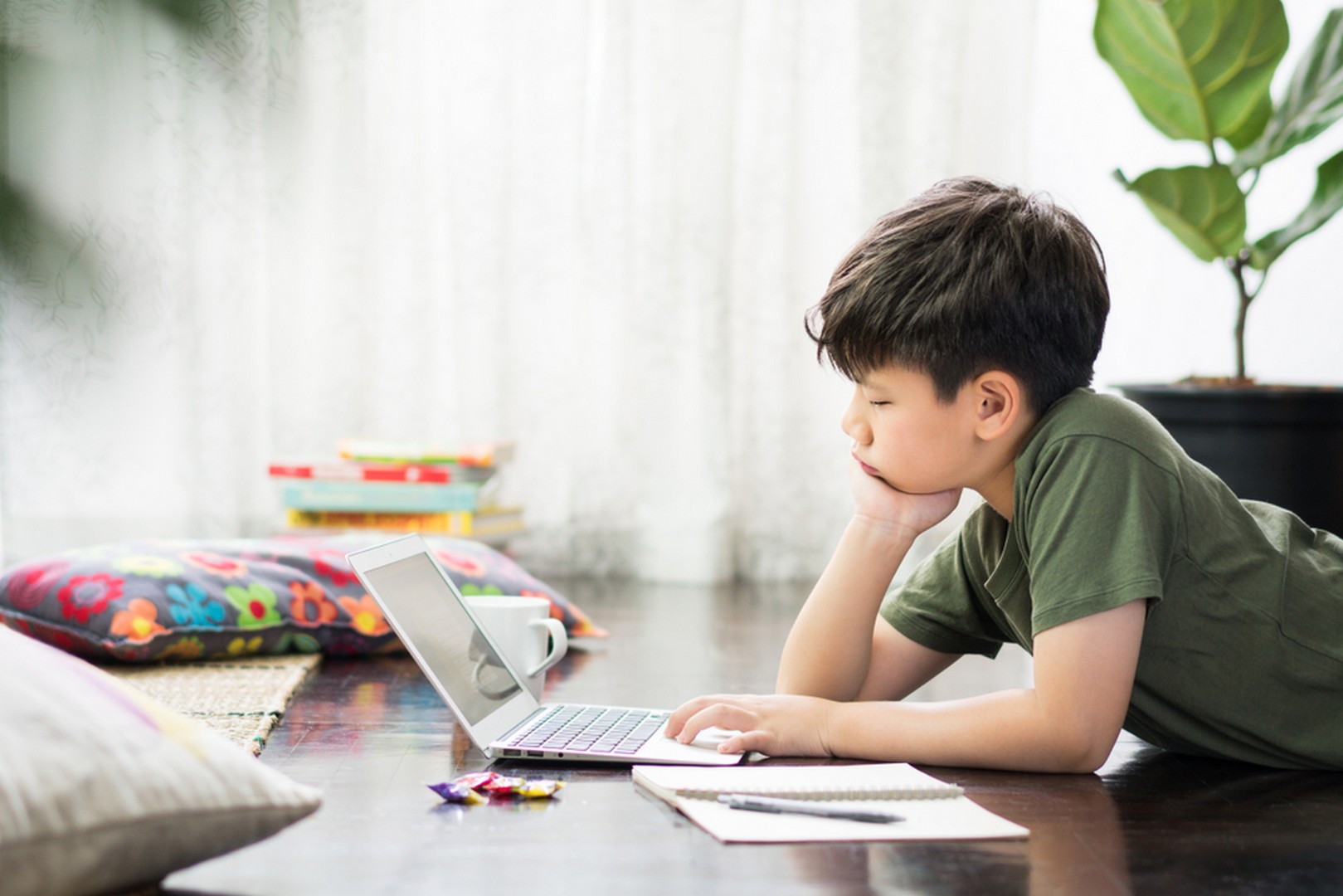
The downward leg of the K is made up of several types of students, including those who were not able to quickly transition to a virtual education of even modest quality. These students probably sat out the end of the 2019–20 school year and at least part of the following one. Incredibly, as of summer 2021, nearly one-quarter of Missouri students still did not have access to high-speed internet.
The bottom leg also has students—as much as 3.5 percent of enrollment in Missouri—who simply didn’t show up for the 2020–21 school year. We’re not sure where they are or how they’re doing. Finally, we have many students who have simply struggled for the last year and lost critical time in their education—from kindergartners needing to launch, to third graders needing to read fluently, to high-school students heading out into college or careers. These same students are likely among the most disadvantaged to begin with.
Of course, there are many examples of students who thrived last year and are in the top leg of the K. They may have attended private schools that knew tuition-paying parents were not going to settle for online learning for very long. They may have been public school students who found virtual learning to be a great fit. They may be in families that realized how great the homeschool experience could be as kids can work at their own pace with no limits.
It goes without saying that policymakers in Missouri—both the legislature and the Department of Elementary and Secondary Education (DESE)—need to focus like a laser on the bottom leg of the K. We need high-quality diagnostic assessments that will honestly inform students and parents about any academic growth lost to the pandemic. Then, we need to make public funds available to families so that they can find the academic resources their children need, from tutoring, to part-time learning hubs or pods, to private schools. We need to empower parents and fund everything they need.