
Don’t think for a moment that Midwesterners don’t need or want to choose their children’s school. As I’ve previously discussed here, Iowa launched a new ESA program earlier this year that allows families to take nearly $7,600 in state funding to the public or private school of their choice. Because the program is open to all current public school students and private school students with household incomes up to 300 percent of the federal poverty line, nearly every Iowa family (94 percent) is eligible to participate. I’ve also talked about Arkansas’ new program—the creation of Education Freedom Accounts worth $6,600 that will be available to all K-12 students by 2025.
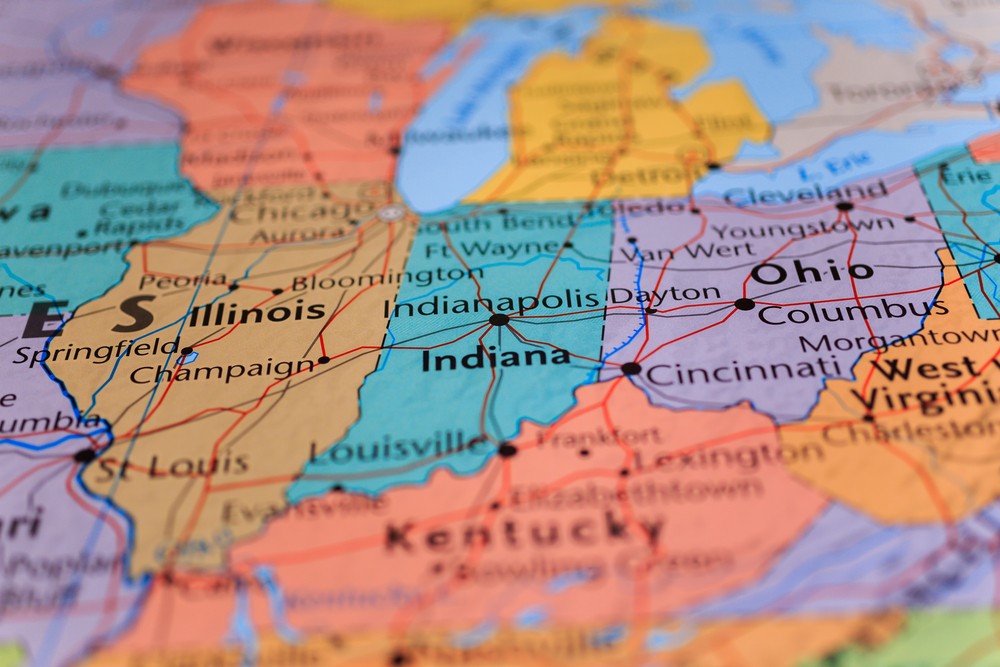
But I would be remiss if I didn’t mention how Indiana and Ohio joined the school choice wave this year by dramatically expanding their existing programs. In Indiana, families earning up to 400 percent of the federal poverty line (97 percent of families) are now eligible for the Indiana Choice Scholarship Program. The Ohio Legislature basically wiped out any income eligibility requirements for its EdChoice Scholarship, although the voucher amount tapers for families earning more than 450 percent of the federal poverty line. They also raised the voucher amount to over $6,100 for elementary and middle school students and over $8,400 for high school students.
Universal school choice—an idea proposed by Nobel Prize-winning economist Dr. Milton Friedman in 1955—is here. While Friedman clearly laid out the reasons why tax money should be used to pay for a system of schools, he questioned whether it is necessary for the government to run the schools. Rather, he suggested, couldn’t we funnel the money to parents and allow them to select a school from an education marketplace? We’ll soon be able to test his premise that a true marketplace will lead to higher outcomes at the system level. What we already know is that choice is what parents want. Generally, 65–85 percent of parents support school choice, depending on the type of program.
We’re not talking about Arizona or Florida here. We’re talking about our equally rural neighbors. Missouri is turning into an assigned-school-only island in a trust-parents-to-choose sea. The longer we hold out, the less attractive we will be to families with children.




