
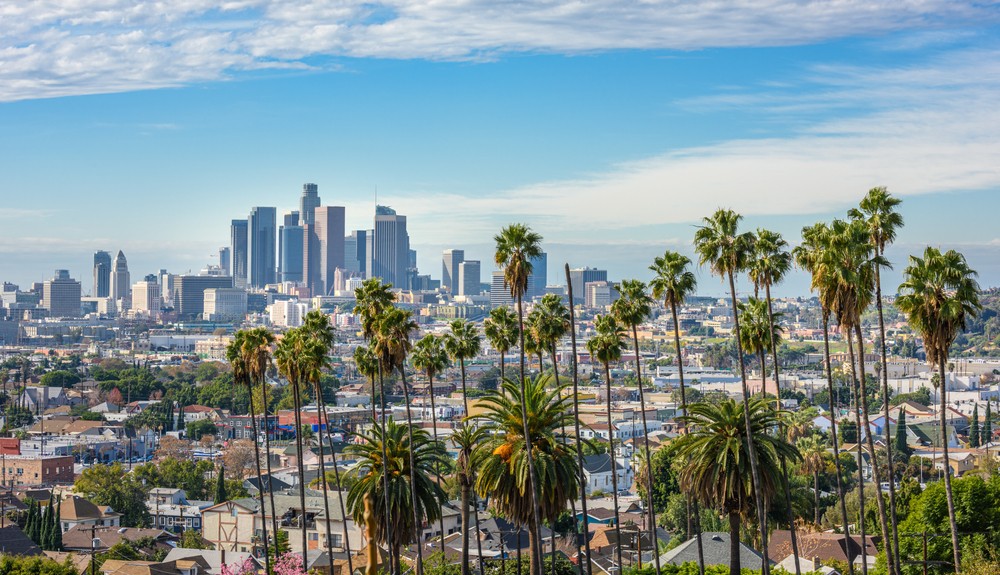
The New York Times publishes that as Los Angeles is on the brink of hosting the 2028 Olympic Games, the city’s leaders are bullish on turning a profit, much like the storied 1984 games. But as we’ve seen time and time again, these grandiose promises of economic windfalls often fizzle out, leaving taxpayers picking up the tab.
These big convention hotels, entertainment districts, and sporting events don’t fail to live up to expectations in just Kansas City and St. Louis. They fail expectations all over the world.
L.A. is plowing ahead with infrastructure upgrades—expanding the rail system, modernizing LAX, and revamping the downtown convention center. These projects are fueled by a mix of federal funds, city dollars, and airport fees, with the idea that the influx of tourists will help offset the costs.
Mayor Karen Bass is pitching the Olympics as an opportunity not just to showcase L.A.’s iconic landmarks like Hollywood and Venice Beach, but also as a chance to shine a light on its diverse communities—Little Bangladesh, Little Armenia, and beyond. It’s a noble goal, but L.A. could take a massive financial hit if things go sideways.
And these big events are always going sideways.
The 1984 Olympics held up as their north star were a financial anomaly, largely because the city smartly used existing venues. Fast forward to today and the stakes are higher, with a nearly $7 billion budget hanging in the balance. LA28, the private group organizing the games, insists it will foot the bill through sponsorships, ticket sales, and global TV rights. But if costs spiral out of control, L.A. taxpayers will be left to pick up the tab. The city and state have agreed to cover any budget overruns, which is a colossal gamble.
We’ve seen it before—the pandemic-delayed Tokyo Games ballooned to $14 billion in costs, and Rio’s 2016 Olympics cost a staggering $24 billion, with both events blowing past their budgets. L.A. is trying to avoid that by sticking with existing venues like the Coliseum and Rose Bowl. Even with these cost-saving measures, there’s no guarantee that the numbers will add up.
The reality is the Olympics often leave host cities grappling with long-term debt, gentrification, and displacement. This risk applies to the recently closed Paris Olympics. Groups like NOlympics LA are already sounding the alarm, arguing that the games could exacerbate L.A.’s housing crisis and deepen economic disparities.
The 2028 Olympics could be a golden opportunity for L.A., but recent history tells us it is more likely to be another costly boondoggle. With so much on the line, Angelenos should keep a close eye on how this plays out.




