
When considering the costs of running a school, we may think of items like teacher salaries, classroom technology, textbooks, and tutoring services. It seems natural to assume that instructional expenses would dominate school budgets. However, statewide trends over the past decade reveal an interesting story. Instructional costs have been decreasing as a proportion of overall spending, while expenditures on student support and non-instructional services have steadily risen. In fact, student support services are now on the verge of overtaking instructional costs in Missouri.
Classifying Missouri Public School Spending
The Department of Elementary and Secondary Education (DESE) classifies spending as:
- Instructional
- Student support
- Non-instructional/student support
Instructional costs include salaries and benefits for teachers, aides, and specialists. It also covers instructional materials (paper, microscopes, software, paint brushes, sports gear, etc.), professional development, and standardized testing materials.
Student support services cover (but are not limited to) salaries and benefits for counselors, psychologists, social workers, nurses, behavioral specialists, and college-preparatory specialists. It also covers costs for mental health services, plus behavior and outreach programs. Administrative, transportation, and food service costs are also classified under this category.
Non-instructional/student support costs in Missouri cover a wide variety of services, such as early childhood instruction, afterschool programs, adult education, and purchases with bonds.
The figures below show how costs have shifted in Missouri over the last decade, as well as changes in staff numbers.
Figure 1: Share of Total Expenditures in Missouri Public Schools by Type, 2013–2023
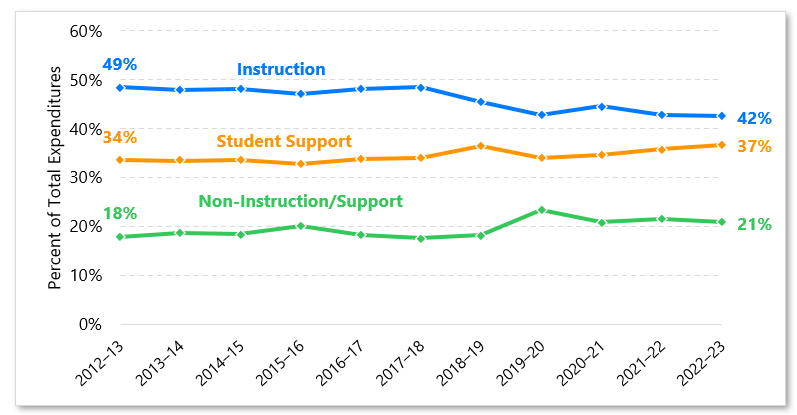
Figure 2: Number of Missouri Public School Students and Teachers
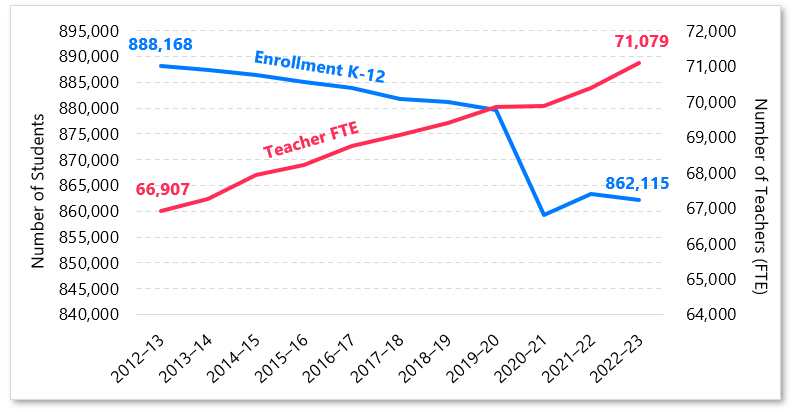
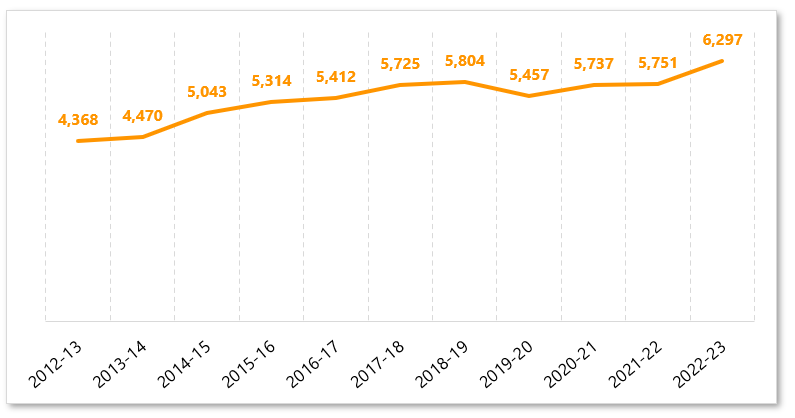
Figure 3: Total Number of Staff: Student Support Services
Source: Department of Elementary and Secondary Education (DESE)
The 2018–19 school year marked the first large decrease in the share of instructional costs in total expenditures, and it has decreased further since then. If the trend continues, spending on student support services in Missouri may soon surpass instructional spending.
Figure 1 is even more fascinating when considering that the total number of teachers has continued to rise in Missouri, with student enrollment decreasing in the same time period. Even with 26,000 fewer students than in 2012–13, there are around 4,000 more Missouri teachers and 2,000 more student support staff (as of 2022–2023, the most recent data).
The trends emerging from Missouri’s public school spending raise important questions about financial priorities and the need for increased educational transparency. Are funds being used to improve classroom instruction and foster better learning environments? Once DESE releases financial data for the 2023-2024 school year, it will be interesting to see whether this downward trend continues.