Missouri Must Protect Taxpayers from Sports Subsidies

Corporate Welfare |
By Patrick Tuohey | Read Time 1 minute minutes

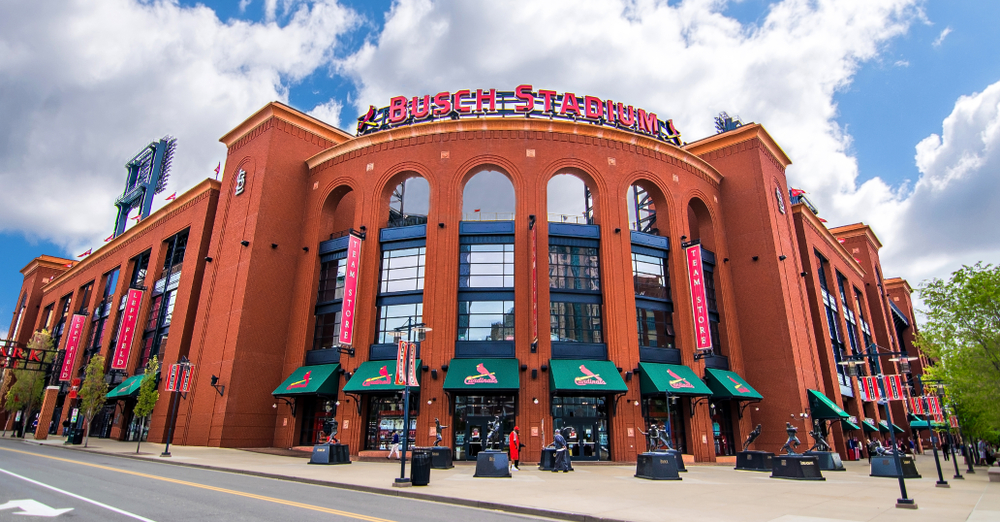
The White House X account recently issued a tweet listing “Eliminating special tax breaks for billionaire sports team owners” as one of the president’s tax priorities.

That one item is substantial. According to a paper in the December 2024 issue of the National Tax Journal, the total revenue loss to the federal government was $4.3 billion due to the 57 stadia built since 2000 that have benefitted from subsidies.

If that tax break is eliminated, team owners will demand that states make up the difference.

We know that these subsidies fail to generate a return on investment for taxpayers. They don’t drive economic development and their economic impacts are overstated. Maybe they make a metro area feel good about itself—but even then the benefits are too small to justify the costs.

Missouri has a lot on its plate right now with efforts to cut spending and income taxes so that Missouri is a more attractive place to live and work. More and greater handouts to billionaires should not be a priority.

About the Author

Patrick Tuohey is a senior fellow at the Show-Me Institute and co-founder and policy director of the Better Cities Project. Both organizations aim to deliver the best in public policy research from around the country to local leaders, communities and voters. He works to foster understanding of the consequences — often unintended — of policies regarding economic development, taxation, education, policing, and transportation. In 2021, Patrick served as a fellow of the Robert J. Dole Institute of Politics at the University of Kansas. He is currently a visiting fellow at the Yorktown Foundation for Public Policy in Virginia and also a regular opinion columnist for The Kansas City Star. Previously, Patrick served as the director of municipal policy at the Show-Me Institute. Patrick’s essays have been published widely in print and online including in newspapers around the country, The Hill, and Reason Magazine. His essays on economic development, education, and policing have been published in the three most recent editions of the Greater Kansas City Urban League’s “State of Black Kansas City.” Patrick’s work on the intersection of those topics spurred parents and activists to oppose economic development incentive projects where they are not needed and was a contributing factor in the KCPT documentary, “Our Divided City” about crime, urban blight, and public policy in Kansas City. Patrick received a bachelor’s degree from Boston College in 1993.

Similar Stories

Support Us

Headline to go here about the good with supporting us.

Donate
Man on Horse Charging