
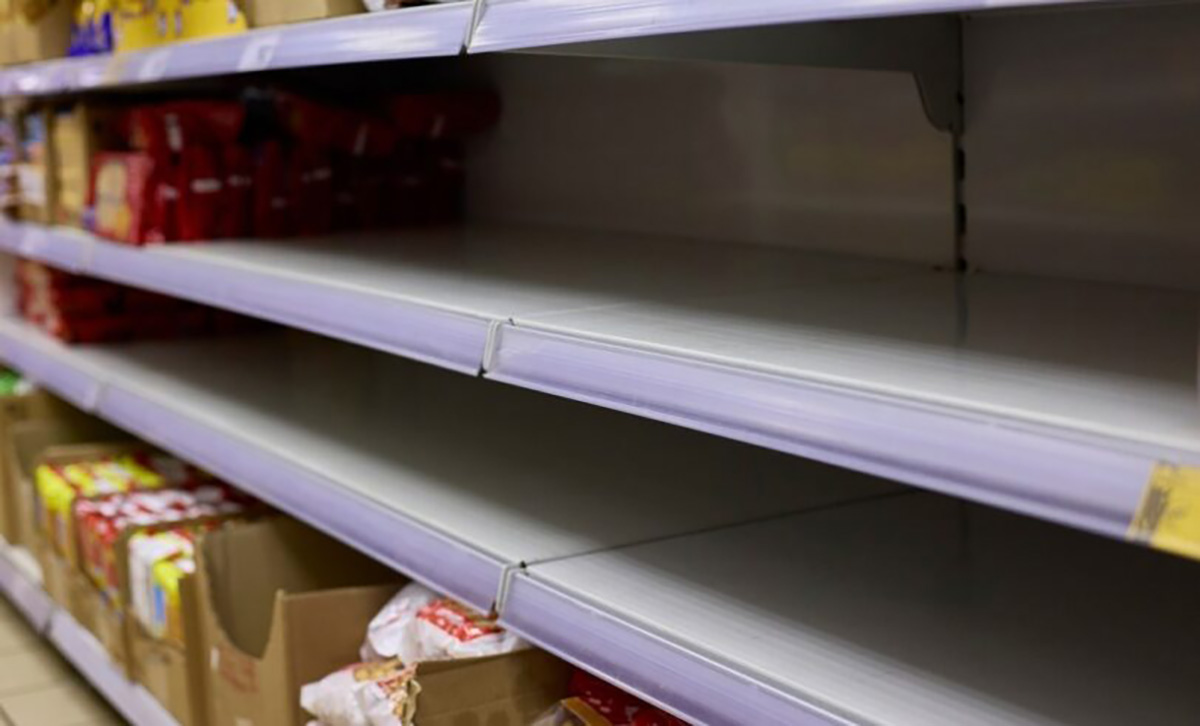
The Washington Post just published a story on the failure of the taxpayer-subsidized Sun Fresh grocery store on the corner of Linwood Blvd. and Prospect Ave. in Kansas City. It’s an excellent piece, and one in which I was given the opportunity to participate. The author, Annie Gowen, included this:
Patrick Tuohey, co-founder and policy director of the Better Cities Project, has been critical of the Sun Fresh project. He says the store looks “great on paper” but does not have demand to support it. Plus, he noted, the neighborhood has other options because of a nearby Aldi store and the independent Happy Foods Center.
Kansas City officials hoped that subsidizing the grocery store would revitalize a long-neglected corridor. Ten years later, with the store on the brink of closure, city leaders are asking what went wrong. But they needn’t look far: the answers were visible from the start—and many of them were detailed in the very Show-Me Institute blog posts I wrote at the time.
Since 2015, I’ve chronicled the Sun Fresh project and argued that its shortcomings were structural, not situational. Here are the key arguments made then, all of which remain relevant now.
- In May 2015, I wrote that “Kansas City government is going into the grocery business,” a move I called “a stunning development.” I noted that the city would lease the property to Sun Fresh for just $1 per year and that the entire project was heavily subsidized—a sign that market demand alone wasn’t enough to support it.
- In the same 2015 post, I argued that grocery demand was already being met in nearby areas: “people who make a living running grocery stores by investing their own money do not think this [Sun Fresh investment] is a good idea.”
- The next week, I conducted some shoe-leather reporting by driving around the supposed food desert. I found several grocery stores with well-stocked produce aisles, and marveled about how, due to the city’s use of various taxing jurisdictions, food in some of the city’s poorer neighborhoods was more expensive than in wealthier areas.
- In May 2016, I updated the story of the subsidized grocery store, noting costs were ballooning, ending with: “In short, it appears that city leaders are planning to lose money investing in an already-failed venture in order to pursue a policy that has no evidence backing its effectiveness.”
- The next month, I wrote that the USDA was becoming skeptical of the “food desert” idea itself. I also noted research showing that the mere availability of healthy food was not sufficient to solve the problem of unhealthy diets.
- In March 2017, I pointed out that project costs continued to rise.
- In December 2017, I summarized new research showing that the “food desert” premise was deeply flawed.
- In October 2018, I highlighted a Kansas City Star piece indicating grocers are in the business of giving people what they want, not what someone else thinks they ought to have. The Sun Fresh store director told the paper, “You can pick apart any store that you want to on what they have or don’t have, but it’s about if people request these things or not . . . We’re going to give our customers what they want. Not just what looks good.”
- In July 2019, I wrote that there were signs the project was already failing. “Despite city-funded construction and dramatically subsidized rent, the store cannot pay its bills. The question now seems to be whether taxpayers should further fund this failing enterprise.”
The city’s logic was clear enough: offer fresh food options in a historically underserved area, and hope it drives neighborhood investment. The Star quoted then-Mayor Sly James as saying the Sun Fresh Market would be the “beginning of the revitalization of this entire corridor.” He was wrong. The policy approach ignored fundamental questions of market feasibility and safety. Even when intentions are noble, taxpayer subsidies cannot manufacture demand where it doesn’t exist.
Supporters may argue that this was an experiment worth trying. But experiments should come with contingency planning and humility—not endless subsidies. The city’s willingness to absorb risk that private firms declined should have been a warning, not a point of pride.
The real tragedy is that Kansas City could have directed those resources toward improving public safety, supporting neighborhood-scale entrepreneurship, or partnering with existing grocery providers willing to operate without public subsidy. All of those approaches would have been more fiscally responsible and, most likely, more sustainable than what the city did.
As policymakers consider next steps, they would do well to revisit the early warnings and lessons from Sun Fresh. The problem was never just about food access. It was about how we define, diagnose, and address the challenges facing our neighborhoods.
This was a foreseeable failure. Hopefully, our policymakers learn from it.




