
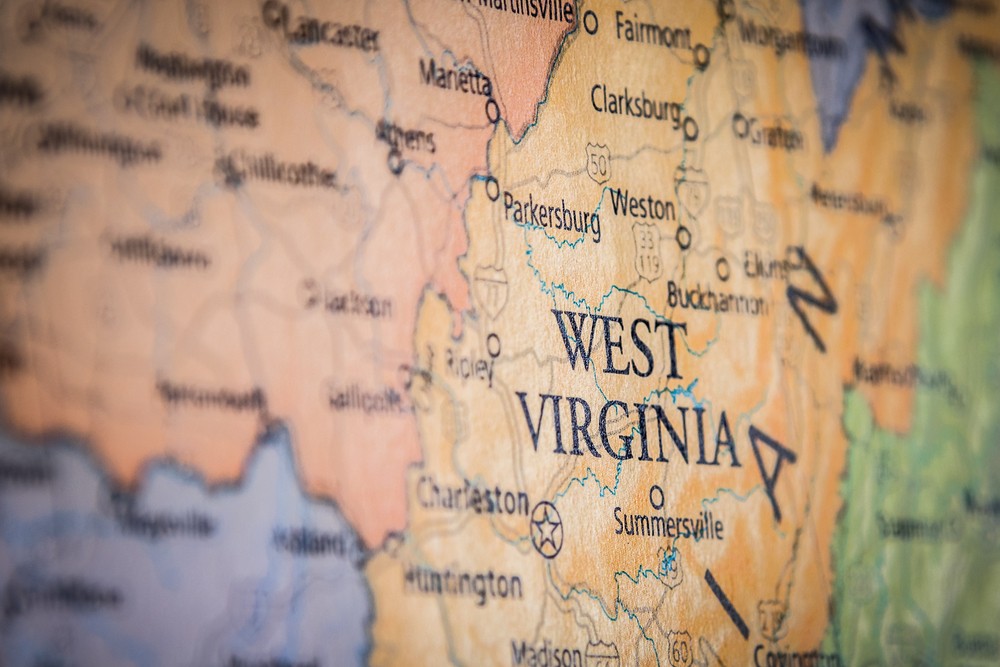
West Virginia is a beautiful state with a reputation problem. Along with gorgeous mountains and phenomenal outdoor amenities like golf, kayaking, mountain climbing, and skiing, it’s also close to major metropolitan areas and the coast. But it is also home to countless broken Appalachian communities. These communities suffer from poverty, low employment, and low education. There’s now some good news on the horizon for these communities.
The West Virginia Legislature just passed a sweeping school choice bill. The bill allows 90 percent of West Virginia children to receive $4,600 in an education scholarship account (ESA). These ESAs can be used for private school tuition, tutoring, education therapies, or homeschool curriculum. If the governor signs this bill, it could be a game changer.
West Virginia’s governor also announced a plan to eliminate the state income tax. The plan will be paid for in a combination of ways, including raising sales taxes, raising consumption taxes on alcohol, and reducing or eliminating tax breaks for the oil and gas industry.
All of the sudden, West Virginia, which has had a declining population since the 1950s, could look pretty attractive to young families who aren’t thrilled with the West Virginia public schools and would prefer to DIY their own plan. It’s going to look pretty attractive to high-income earners who can now work from anywhere. And it’s going to look pretty attractive to active folks who value a small-town atmosphere with a low cost of living. These are groups that can engage with their communities and help solve entrenched social problems. These are groups that Missouri would be wise to pursue.
Missouri also has great amenities. We have delightful small towns, beautiful state parks, Lake of the Ozarks, and Branson. Unfortunately, too many legislators from these very same areas are solidly against school choice in any form. They need the support of teachers to get elected and that, so far, has meant standing firm for the status quo and only the status quo. The fact that the young people who do go off to college often don’t return must not be considered. The fact that young families aren’t gravitating to these communities is seemingly being ignored. The fact that knowledge workers will go to states like West Virginia, Colorado, or Florida must not be a threat.
We keep this attitude at our peril. Post-pandemic, many people are thinking long and hard about where and how they want to live. Missouri should be setting itself up to be as attractive as possible.




