
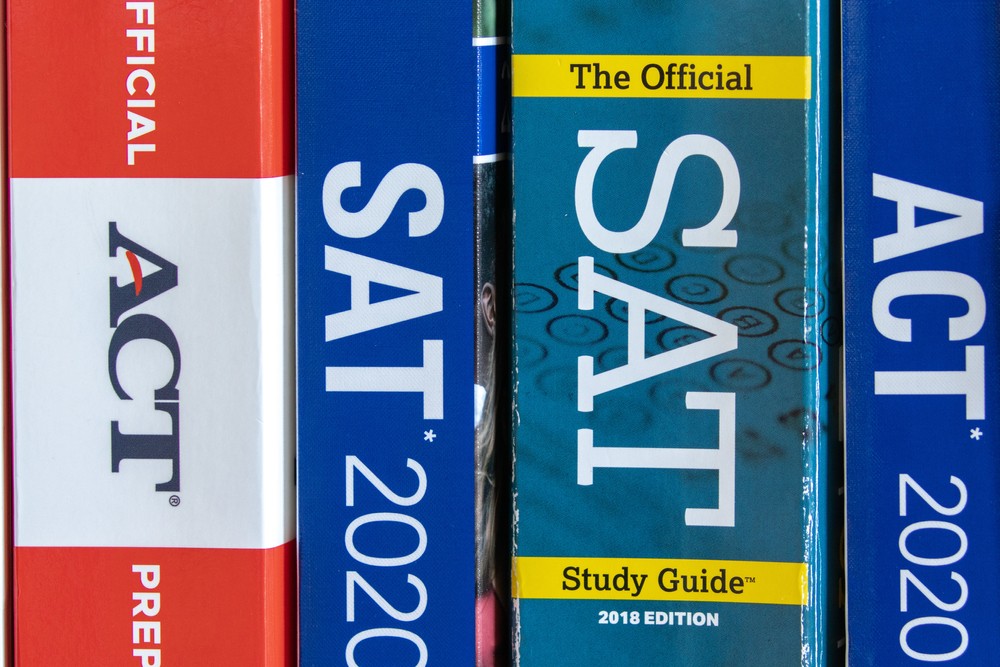
ACT, the organization that administers one of the most widely used college entrance exams, just released the scores for last spring’s graduating class and the results are troubling. Scores are down nationally and in Missouri. As a reminder, this is the class of students who were freshmen when schools closed in 2020 and most likely spent at least part of their sophomore year trying to learn remotely. We now know that this was not successful for very many students and these data confirm that.
Nationally, the average composite ACT score fell from 19.8 in 2022 to 19.5 in 2023. Prior to 2022, scores hadn’t been below 20.0 in more than thirty years. In Missouri, scores fell from 20.3 to 19.8, the lowest average composite score for the state since 2000. Missouri’s average was near that point (19.86) in 2018 when the test was required for all students, whether they intended to go to college or not. That is no longer the case. Last year, 66 percent of graduating students took the exam.
So, what does this mean? As predicted, students who were at “important” points in their K-12 education are in real trouble. Nearly 40 percent of Missouri’s 3rd graders (kindergartners in Spring 2020) scored below Basic in reading last year, meaning they don’t even have a partial understanding of the subject. They missed a critical window to develop a skill that is fundamental to their future success in school.
The same can now be said of students who were starting high school. They are, as a group, less ready for postsecondary education. This has implications for their lives as well as the quality of the Missouri workforce. Our state leaders should be addressing this as the crisis that it is. It should be a policy priority. They should be talking about it routinely. Is that what you’re seeing or hearing?




