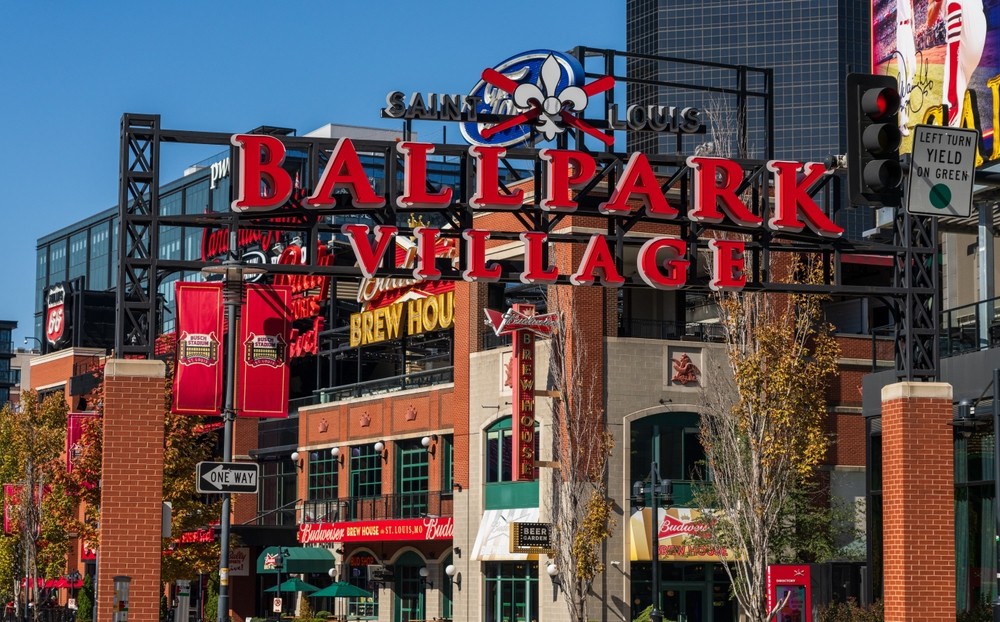
State lawmakers in Missouri are considering a $102 million tax credit program to convert empty downtown St. Louis office buildings, such as the AT&T Tower and Railway Exchange, into residential and retail spaces. Dubbed the “Revitalizing Missouri Downtowns and Main Streets Act,” the plan aims to address declining occupancy rates and boost the downtown economy by reimbursing developers for 25–30% of their conversion costs. While this sounds appealing, it’s a recycled idea that has repeatedly failed to deliver meaningful results for cities.
The proposal rests on shaky assumptions about the effectiveness of economic development subsidies. Tax credits and similar incentives have a long history of overpromising and underdelivering—even according to analyses from people supporting the projects!
These programs often enrich developers without producing significant long-term benefits for the communities footing the bill. Take, for example, the myriad subsidies for corporate headquarters and downtown stadiums in Kansas City. Despite their hefty price tags, these deals leave taxpayers shouldering higher costs with little to show for it in terms of jobs or economic growth. St. Louis risks again following the same path—throwing public money at developers while failing to address the underlying issues.
A major problem with subsidies like this is that they create a false sense of market demand. The St. Louis Post-Dispatch quotes one of the bill’s sponsors, Missouri Senator Steve Roberts, as saying, “The demand for more downtown residential is clear.” If that were true, private investors should already be stepping up. Developers should not need government support to pursue profitable opportunities.
Subsidy programs also suffer from a lack of transparency and accountability. Often, there are no robust safeguards to measure their success or clawback provisions when promises go unfulfilled. Without clear benchmarks and regular public reporting, these programs devolve into blank checks for developers.
St. Louis should focus on making the downtown area a desirable place to live by prioritizing public safety and basic city services. Addressing crime, for instance, would do far more to draw new residents and businesses than funneling public money into speculative real estate projects.
A smarter approach to revitalizing downtown St. Louis would let market forces lead the way. City leaders can play a supportive role by streamlining permitting processes and reducing regulatory barriers, making it easier for developers to pursue worthwhile projects. (There are some small, hopeful signs St. Louis is heeding this call.) At the same time, investments in public safety, infrastructure, and essential services would lay the groundwork for organic growth that benefits everyone—not just developers.
Yes, St. Louis needs more residents. Yes, increasing the downtown population would have all sorts of positive economic effects. But right now, too few people want to live there, and nothing will work until that changes first.