
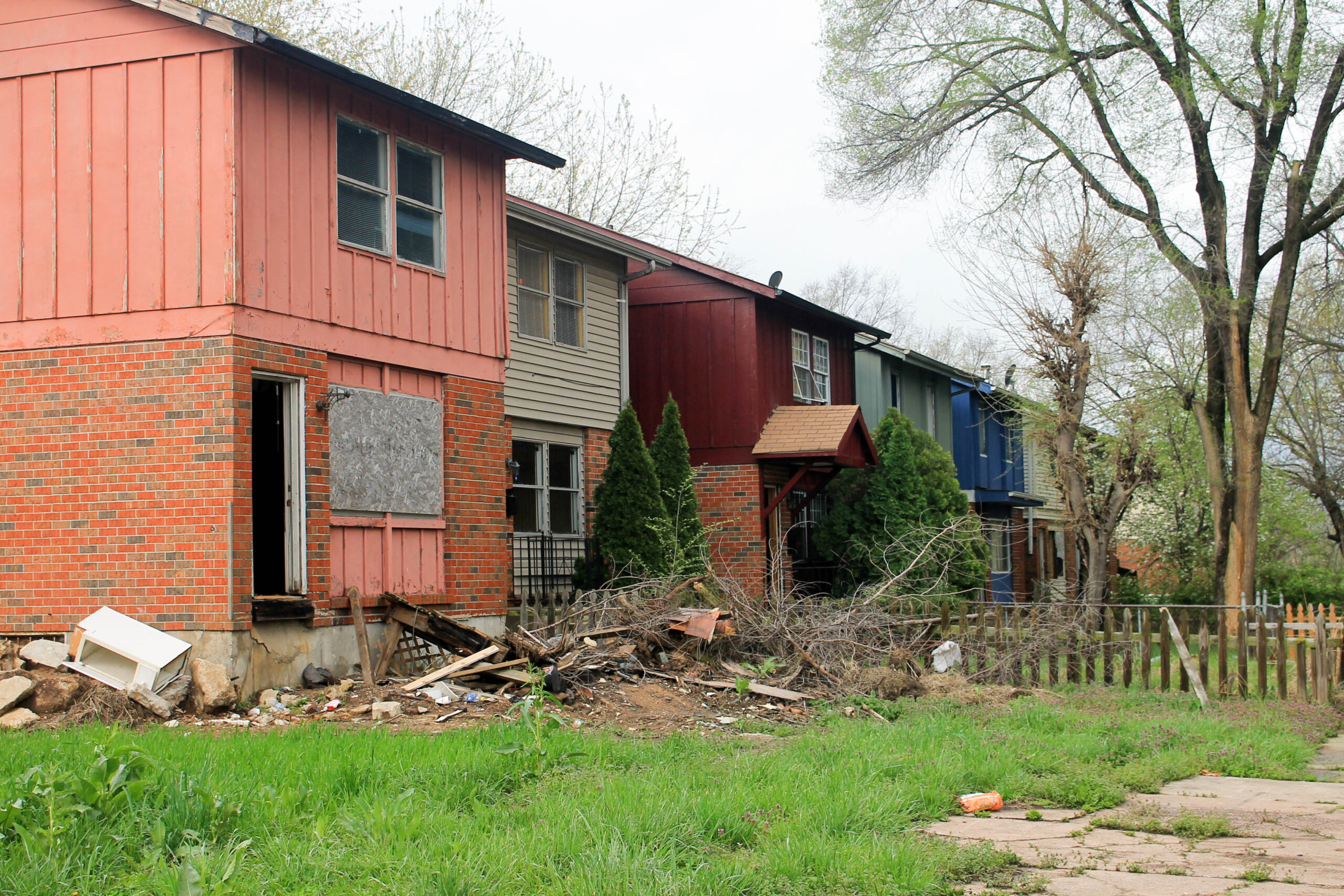
A new article from the Manhattan Institute details research that indicates addressing blight can have a positive impact on crime. While this is not a surprise—the broken windows theory has been around for decades—it shows concrete results for programs in Philadelphia and elsewhere.
The Philadelphia LandCare (PLC) program was started when residents of a particularly bad-off neighborhood team up with the state horticultural society to clean up vacant and trashy lots. The article reveals:
PLC is simple and was designed to be applied across the neighborhood. Trash and debris are removed from a vacant lot. The land is then graded, and grass and a few trees are planted. A low wooden post-and-rail fence is installed with openings to permit residents access to the newly greened spaces. The fence prevents illegal dumping of garbage and construction debris; it is also a visual sign that someone is maintaining the property. The result is a small “pocket park.” The rehabilitation of such lots takes less than a week to clean and green. The lots are maintained through twice-monthly cleaning, weeding, and mowing during the growing season (April through October). The cost to clean and green a typical lot is roughly $1,000–$1,300, along with $150 per year to stabilize the lot through biweekly cleaning and mowing.
The maintenance costs are higher in Missouri. St. Louis City’s Forestry Division (yes, St. Louis has a Forestry Division!) bills $108 per property per time they mow, and try to visit each property (there are 11,000) only 3 or 4 times each year instead of biweekly. As for Kansas City, a few weeks of calls and emails to various city departments and individuals have yielded no results on the costs of maintenance.
Kansas City is slowly making good on its promise to demolish dangerous structures, an important part of blight remediation. Addressing blight requires more. Churches, community groups, and charities of all kinds need to work together to address blight just like the people of Philadelphia. We clearly cannot expect government to do it for us.




