
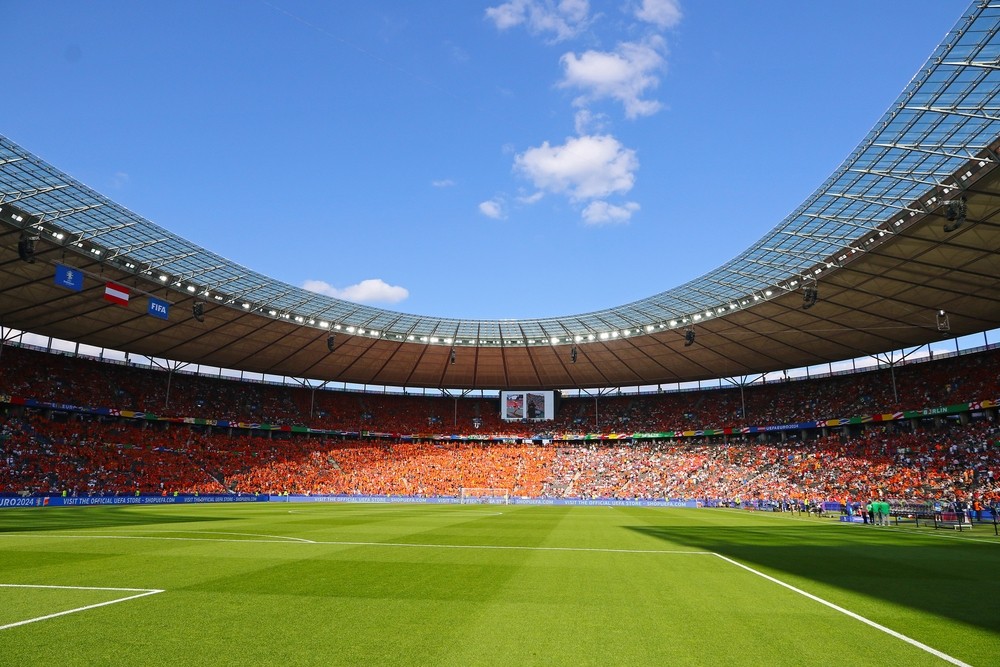
Every few years, cities fall into the same trap. A major event—whether it’s the World Cup, the Olympics, or the Super Bowl—gets dangled in front of local leaders like a golden ticket. The promises, as we are hearing time and again as Kansas City gears up to host some games in the 2026 World Cup, include floods of tourists, economic growth, and a new era of prosperity. The reality? A financial hangover that lasts long after the final whistle blows.
A 2003 Clemson University study by economists Robert Baade and Victor Matheson puts this into stark perspective. They looked at the 1994 World Cup, hosted in the United States, and found something shocking: Instead of the $4 billion economic boost that event advocates promised, host cities actually lost between $5.5 billion and $9.3 billion. Let that sink in. Instead of making money, these cities were left holding the bag for billions in losses.
The report lays out the problem:
- Stadium Spending is a Black Hole – FIFA demands that host nations build or upgrade multiple stadiums, often at obscene costs. South Korea and Japan spent $4 billion for the 2002 World Cup. Many of those stadiums are underused today, costing millions just to maintain.
- The Tourists Don’t Come – One of the biggest myths is that these events bring in a wave of free-spending tourists. In reality, regular tourists stay away to avoid inflated prices and congestion. The net impact is often negative.
- Jobs? What Jobs? – Yes, major events create work—but mostly low-paying, temporary jobs that vanish once the event is over. Meanwhile, businesses that don’t cater to event-goers—restaurants, retail, theaters—often see a drop in revenue.
- FIFA (or the IOC, or the NFL) Walks Away with the Money – The real winner? The governing body that runs the event. FIFA collects billions in ticket sales and sponsorships, while host cities are stuck with the bill for security, infrastructure, and maintenance.
The World Cup is far from the only culprit. Cities and nations have been burned time and again. The 2016 Rio Olympics left Brazil with $13 billion in debt, abandoned venues, and zero lasting benefits. The 2014 Sochi Winter Olympics cost $50 billion, much of it wasted on corruption and vanity projects. The Super Bowl, despite constant hype, has been shown in multiple studies to provide a fraction of its promised economic impact.
Politicians and event boosters always paint the same rosy picture. They promise jobs, economic growth, and global prestige. But the reality, as study after study has shown, is that these mega-events rarely—if ever—pay off.
If a city really wants to strengthen its economy, it should focus on investing in infrastructure, public services, and policies that support small businesses and long-term growth. Chasing after one-time spectacles that benefit global organizations far more than local residents is a mistake.
So the next time you hear about a city bending over backward to host the World Cup, the Olympics, or any other mega event, ask the hard question: Who actually benefits? If history is any guide, it’s probably not the taxpayers.




