Consider this a public service announcement: Public school districts do not own the children who live within their borders. And they don’t “lose” money when students living within their borders choose something other than their assigned public school. They simply do not educate the child or receive funding for educating them.
Fortunately, the Missouri Senate Government Reform Committee seems to agree. Although it still has a ways to go, Senate Bill 996 has passed out of committee and will hopefully be considered by the full Senate soon. This bill changes the way funding works for full-time virtual education students. Rather than have state funding go to the students’ home school district and then back out to the virtual program, funding would simply go from the state to the virtual program. Makes sense, right?
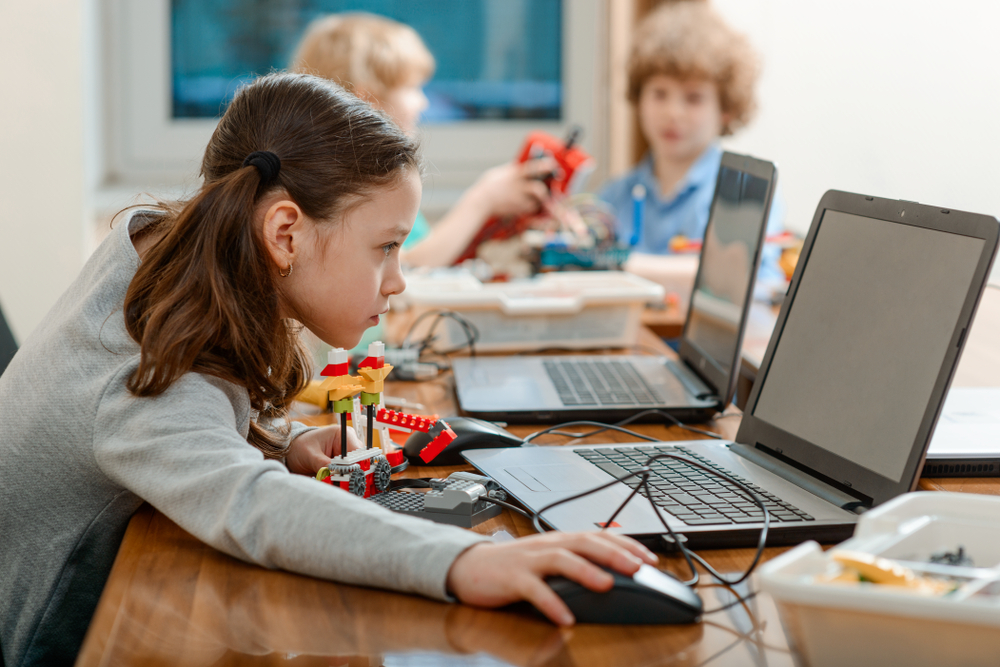
Of course, the usual opponents showed up to testify against the bill. It was called an attempt to privatize education and make a profit from Missouri students. An opponent of the bill from the Missouri School Boards’ Association asked: “. . . who is making sure these providers are doing right by our students?” Well, that would be the parents of the students who choose full-time virtual education over their assigned public school. Recall that this is not a passive move—students aren’t assigned to full-time virtual schools. Rather, it is an active choice by these parents and students. When someone makes a choice that is outside the mainstream, it is usually a conscious and informed decision to find something that works for them.
For more than 95 percent of the public school students in Missouri, full-time virtual education is the only public option other than their assigned public school. In the two years since the Missouri legislature passed and the governor signed the bill making full-time virtual education possible, there have been numerous examples of bad behavior on the part of public school districts intended to prevent kids from entering full-time virtual programs. Far too many parents have had to lawyer up in order to exercise their legal right to this option for their children.
In 2020, conducting school, business, or personal obligations online is no longer novel or threatening. In fact, there are circumstances that have revealed it as a very necessary approach when in-person communication isn’t possible. Missouri public school districts and their school boards need to realize that the future of public education does not look like the past. Parents want options, and we should be willing to make sure they have them.