
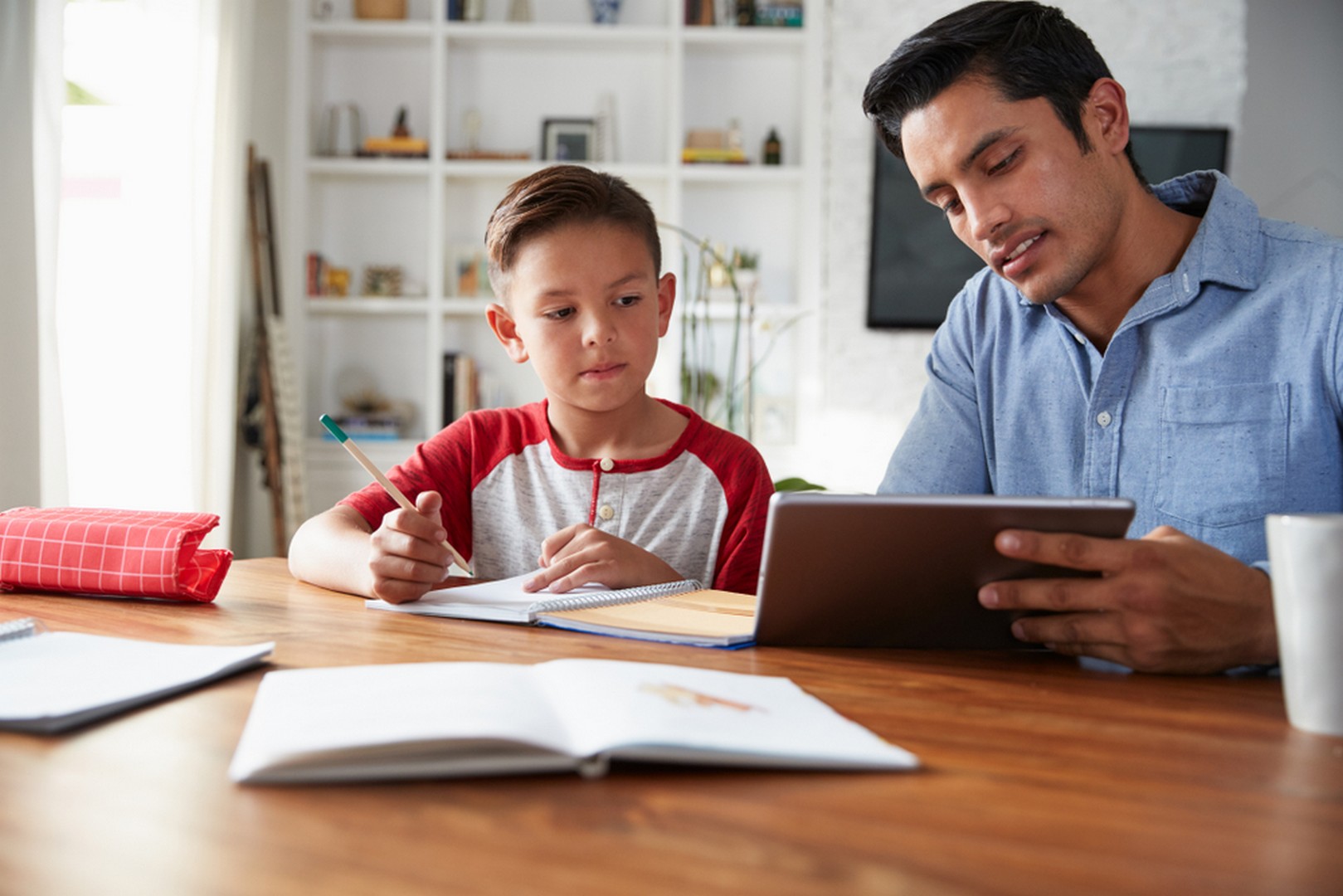
The Wall Street Journal has a great story about pandemic pods, small schools families are starting to keep their kids learning during the coronavirus. Pods are cropping up around the country, with small groups of families meeting in each other’s homes and hiring teachers to instruct their children.
While much of the conversation about pandemic pods has been about their effects on parents and children, the Journal article looks at them from the perspective of the teacher. The author argues that pods can be great for teachers.
Think about it. Let’s say that each of the families of a pod agrees to pay $5 per hour, per child to the teacher. Seems like a pretty good deal for them. That means a teacher with a pod of eight students will make $40 per hour. If they follow a typical 180 school year at eight hours a day, that means they will make $57,600 per year, just shy of the $62,304 the article reports the average teacher in America earns. Now, it is true that they might not receive the same benefits, and longer or shorter schedules could alter their total compensation, but they would be teaching a class half the size of their typical class, with none of the bureaucracy, red tape, faculty meanings, or pointless professional development sessions for close to their typical salary. Sounds like a pretty good deal for the teacher, too.
This of course raises an important question: Why can’t traditional schools offer the same kind of learning environment? After all, the average public school student in America brings more than $14,700 per year into the classroom, meaning a classroom of only eight students would have $112,000 in revenue to pay a teacher. It is absolutely true that some students are more expensive to educate, buildings need to be maintained, and the like. But it is also true that lots of jurisdictions spend much more than $14,700 per student, and playing a bit with the numbers (by say allowing slightly larger classes for children with fewer needs and smaller classes for children with more) could free up large amounts of money to make sure every student is cared for.
More importantly, the average class size in America is not eight—it is twice that. I have to ask: Where the heck is all the money going?
I hope this pandemic pushes parents, teachers, and citizens to start asking questions about how school districts spend the large sums of money that they are given by taxpayers. Perhaps with more scrutiny, more students can get the individualized and rich learning environments that students in pandemic pods are slated to receive. That would be great for teachers too.




