
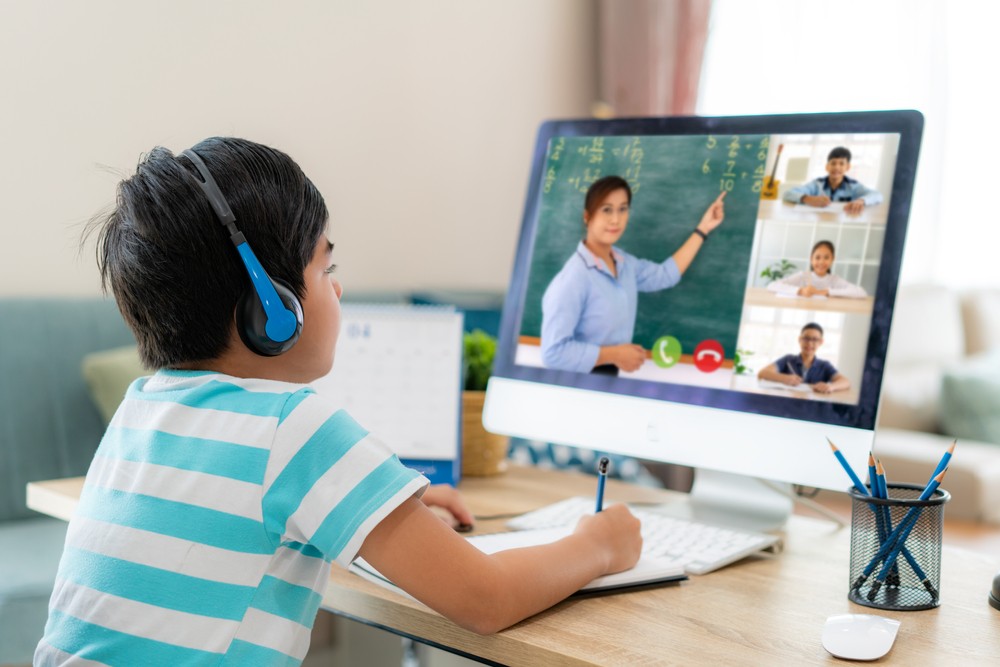
Apparently, parents like options, and school districts like keeping students. What a concept. This past year has forced public school districts to realize that some—but not all—students excel when they can learn virtually. Other students are more successful when they learn in person. One size does not, in fact, fit all.
Nationally, there are several indicators that learning remotely works for a lot of families. The number of homeschooled students doubled this year. An NPR/Ipsos poll found that nearly 30 percent of families were considering sticking with virtual learning next year. Another tracking poll found that 45 percent of parents want a virtual and in-person hybrid approach next year.
Missouri families who prefer virtual learning have the option of enrolling in the Missouri Course Access and Virtual School Program. But their assigned public school district has to cover their cost. It’s not surprising, therefore, that several school districts in the St. Louis region are going to continue their virtual programs for students who want them. One local superintendent was quoted as saying that extending virtual learning programs will “prevent” students from leaving for the statewide program. Not exactly—parents can still choose either. In fact, a poll of Missouri parents in December found that nearly a quarter graded their children’s remote learning experience as a “D” or an “F.” Regardless, districts are apparently feeling a little heat from the competition.
As the dust settles from the great COVID education disruption, we will discover more about how the experience affected families and learning. I suspect that traditional public school districts will be forced to recognize that the power shift from school administrators to parents is not going to reverse itself any time soon.




