
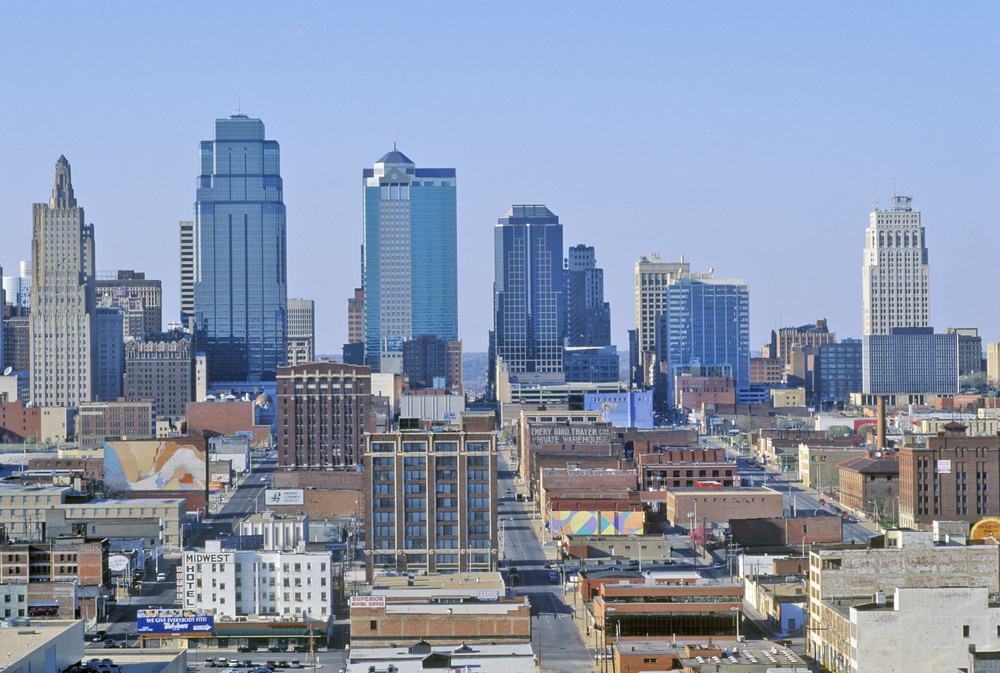
Members of The Kansas City Star’s editorial board have lamented that the one-eighth-cent sales tax adopted by a citywide vote in 2017 to help spur development on the east side of Kansas City has failed to yield any results. They opine:
Almost three years after voters approved the levy, conditions in the targeted district — 9th Street to Gregory Boulevard, The Paseo to Indiana Avenue — remain largely unchanged, and unacceptable. The initial promise of revitalization and renewal in those neighborhoods remains just that, a promise.
They point out that much of the funds collected from the sales tax remain unspent and urge the new oversight board to get to work improving the lives of citizens. Unsurprisingly, the editorial board endorsed the tax increase at the time of its creation. Writing skeptically of this and other ballot questions at the time, I suggested in a Star guest column:
While supporters of Question 4 are to be congratulated for wanting to address economic injustice, one more tax-funded subsidy will not solve the problem. In fact, one more increase to an already-high sales tax likely will do more harm.
. . . Without substantive long-term solutions to the problems that got us here, voters risk spending more to get the same outcome we have in the past.
Policymakers and observers are united in wanting the best for Kansas City, but that does not mean every proposal is a good one. This sales tax is not alone in failing to deliver on promises—nor does the proposal even articulate a policy for making people’s lives better. We are just now learning that the convention hotel was costlier than we thought—likely because city leaders didn’t do the work of vetting the proposal and questioning its assumptions.
The Kansas City Council is considering enacting free bus fare in the city, something else the Star’s editorial board has endorsed. But none of the important legwork work has been done to assess the viability of such a program, including even a survey of Kansas City’s transit riders. (If you assume that transit riders think fares are a priority, read this.)
City leaders need to do their homework so we can avoid this cycle of adopting new policies, including raising taxes, before we define success.




