
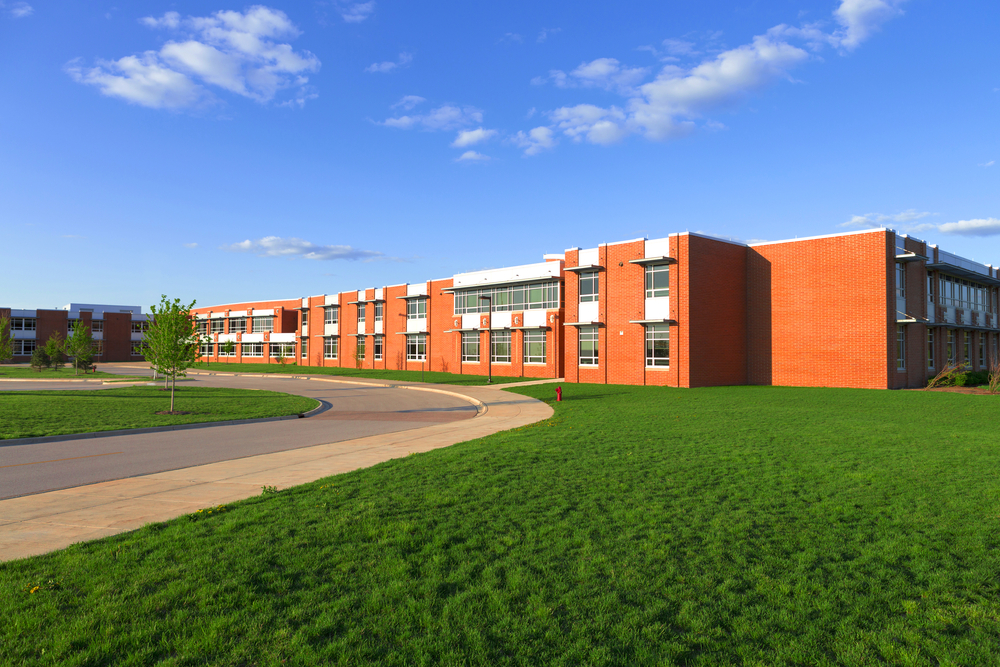
KSDK has a great interview with Chester Asher, CEO of Northside Community School, a charter school in St. Louis.
Northside has consistently been one of the top-performing schools in St. Louis, and it’s easy to understand why when listening to Asher talk about his passion for serving low-income students and the culture of expectations and excellence that guides the school.
North Side puts to lie the pernicious notion that because a child comes from a certain neighborhood, is of a certain racial or ethnic group, or comes from a family that is struggling, they cannot learn.
It isn’t easy. Students who come from stable, two-parent homes in safe neighbors absolutely have advantages over those who do not. But just because it’s hard doesn’t mean its impossible. And just because it is hard doesn’t mean that it isn’t worth doing.
Part of the story, left unsaid in the KSDK spot, is that because of how Missouri authorizes charter schools, Northside is limited to serving students in St. Louis City even though it sits less than a 10 minutes’ drive from the boundary of the Normandy Schools Collaborative, one of the lowest-performing school districts in the state. Students born eight minutes away from the school instead of seven can’t attend, because politicians have created artificial barriers between children and opportunity.
That is not a happy story. It isn’t right. It isn’t fair. It should change.




