
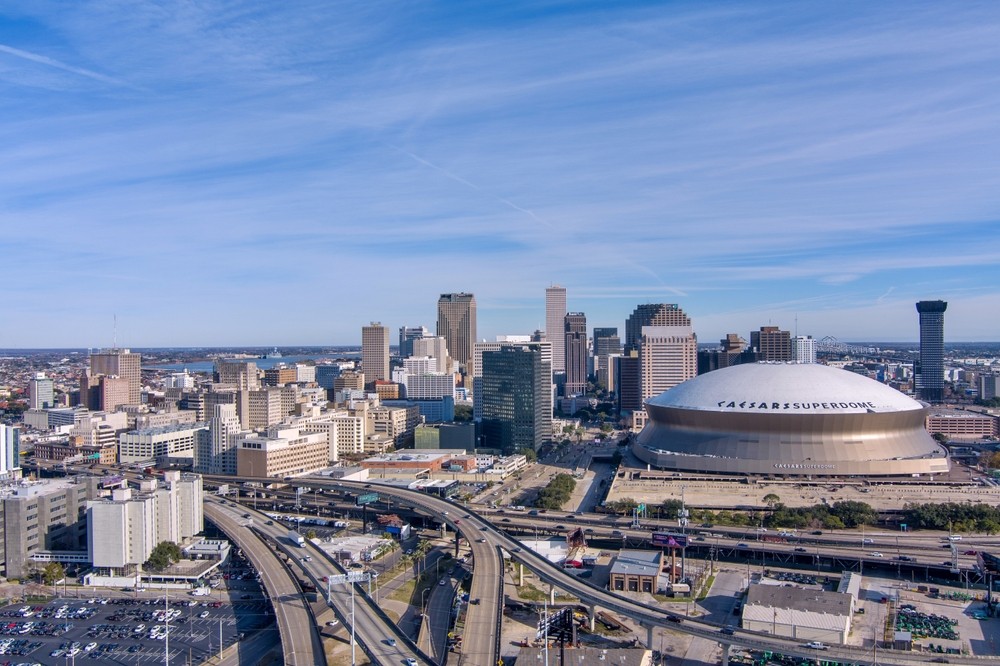
The Wall Street Journal reports that New Orleans is betting big on the Super Bowl, hoping the game will spark an economic revival and convince business leaders the city is more than just a place to party. But if history is any guide, splashy events like the Super Bowl, the Olympics, and political conventions rarely deliver the promised economic windfalls.
The Big Easy has long struggled with economic hardship. Between hurricanes, crime, population loss, and a fragile tourism industry, the city has spent decades trying to regain its footing. Now, officials are using a familiar formula: host a major event, clean up the streets in high-visibility areas, woo corporate leaders, and hope business investment follows.
We’ve seen this before, and the results are almost always the same. These big events provide a temporary tourism boost, but they don’t drive long-term economic growth. The promised “boom” turns out to be a weekend blip, leaving taxpayers on the hook for security, infrastructure, and publicly funded subsidies that rarely pay off.
Take the 2016 Rio Olympics: billions spent, venues abandoned. Or Kansas City’s NFL draft, which filled bars for a weekend but left downtown empty as soon as the crowds dispersed. And New Orleans has been down this road before. The city has hosted 11 Super Bowls, yet its economic struggles persist. If the game were truly a catalyst for prosperity, wouldn’t we have seen the results by now?
New Orleans’ real challenges have nothing to do with hosting big events. The city struggles with high crime, crumbling infrastructure, and a reputation for red tape that drives businesses away.
Louisiana officials tout a $10 billion Meta AI center as a sign of a turnaround. But real economic success comes from stability, not one-off incentives and government handouts. Businesses thrive where there’s predictability—not just tax breaks to lure companies in temporarily.
Visitors saw an enhanced police presence, vehicle restrictions, and heightened security in the French Quarter. But that won’t change the fact that the city has one of the highest crime rates in the country—a problem that can’t be solved with temporary measures.
Some business leaders remain optimistic about the benefits of incentives, arguing that Louisiana can’t afford to keep losing talent and investment to Texas and Florida. But unless the city addresses its deeper systemic problems—crime, education, infrastructure and a business climate that discourages investment—it will continue to rely on big events as temporary Band-Aids.
New Orleans doesn’t need another Super Bowl. It needs leaders willing to fix real problems—not just hang banners and hope for the best.




